|
 |


|
|
Guidance for Provincial Offices of CEA on IEE related issues
Revision of existing guidelines / manuals
Review of the EIA process and related regulations
Several guidelines have been prepared by the CEA to assist PP and Project Approving Agencies (PAA) in proper implementation of the EIA process. Following publications are available at the CEA;
• Guidance for Implementing the Environmental Impact Assessment (EIA) Process No. 1 A General Guide for Project Approving Agencies (PAA), 2006 - Rs. 100.00
• Guidance for Implementing the EIA Process No. 2 - A General Guide for Conducting Environmental Scoping - 2006 - Rs. 100.00
• Environmental Guideline for Road and Rail Development in Sri Lanka, 1997 - Rs. 300.00
• Environmental Guideline for Agricultural Sector Projects - 1997 - Rs. 300.00
• Simple Questions and Answers on Environmental Impact Assessment (EIA) - 2012 - Rs. 30.00
• Guideline for Determination of Environmental Flows (E-flows) for Development Projects that Result in Impounding of Water in Streams / Rivers.
The EIA unit conducts short training programmes to provide basic awareness on EIA process for those who are involved in the EIA process (CEA staff, Government agencies, Academics, Consultants, Private Sector, NGOs etc.).
The importance of the Environmental Impact Assessment (EIA) as an effective tool for the purpose of integrating environmental considerations into development planning is highly recognized in Sri Lanka. The EIA helps to identify potentially significant environmental impacts of development projects and finds ways to reduce unacceptable impacts and to shape the project so that it suits the local environment. It helps officials to make decisions about a project allowing the Project Proponent (PP) to achieve development targets more successfully. Thus, the EIA is considered as one of the major planning tool and a key techniques for achieving sustainable development.
EIA has also become a mandatory requirement for establishment of major development projects in Sri Lanka under the National Environmental Act as well as under few other legislations;
The importance of the Environmental Impact Assessment (EIA) as an effective tool for the purpose of integrating environmental considerations into development planning is highly recognized in Sri Lanka. The EIA helps to identify potentially significant environmental impacts of development projects and finds ways to reduce unacceptable impacts and to shape the project so that it suits the local environment. It helps officials to make decisions about a project allowing the Project Proponent (PP) to achieve development targets more successfully. Thus, the EIA is considered as one of the major planning tool and a key techniques for achieving sustainable development.
EIA has also become a mandatory requirement for establishment of major development projects in Sri Lanka under the National Environmental Act as well as under few other legislations;
 The agreement between the Central Environmental Authority...
Read more
The agreement between the Central Environmental Authority...
Read more
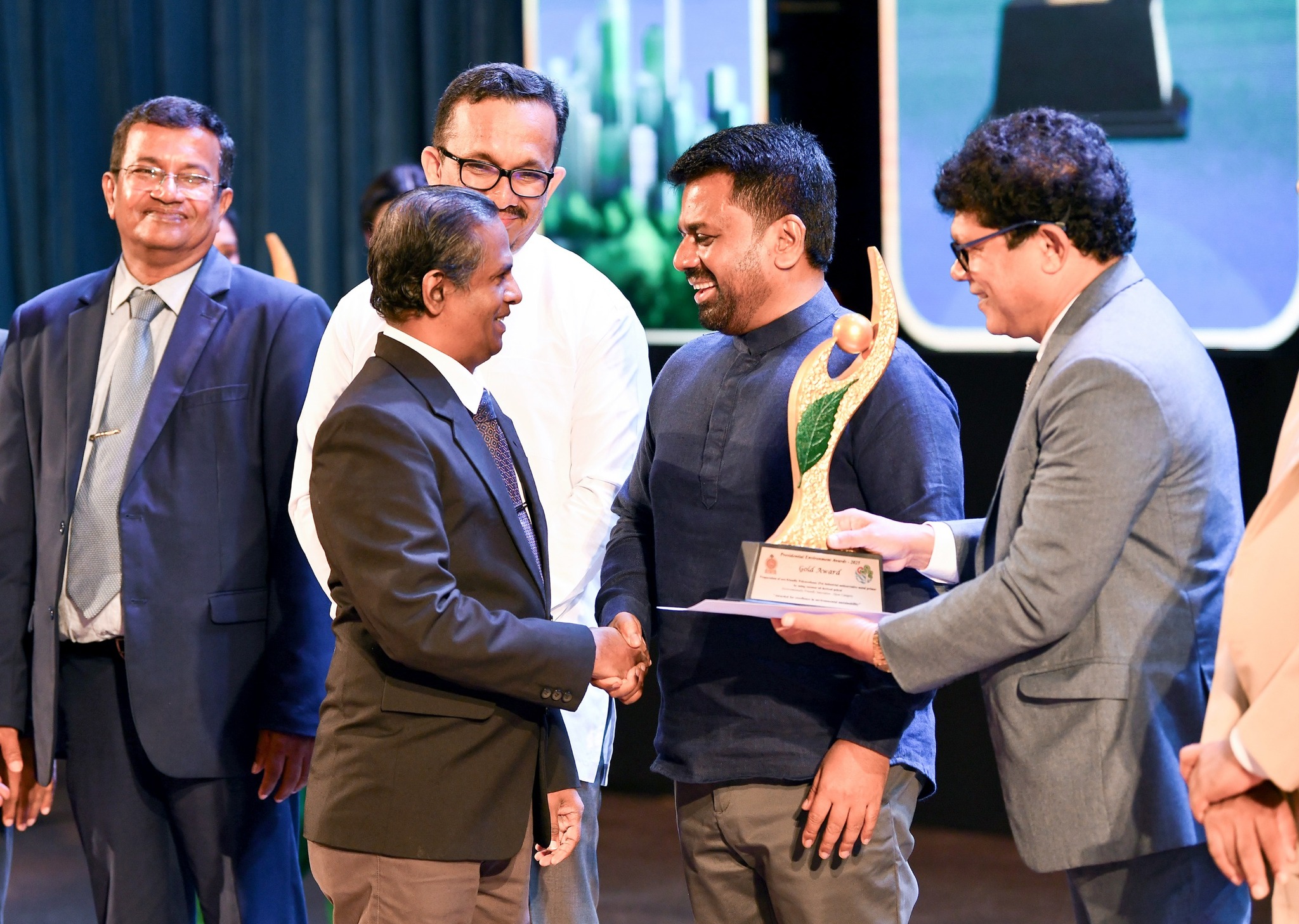 The 11th Annual Presidential Environment Awards 2025,...
Read more
The 11th Annual Presidential Environment Awards 2025,...
Read more
 The Inaugural Session marking the commencement of work...
Read more
The Inaugural Session marking the commencement of work...
Read more

|
Central Environmental Authority |
|
|
104, Denzil Kobbekaduwa Mawatha, |
|
|
Tel: 011-2872419,011-2872278,011-2873447,011-2873448 |
|
© 2013 Copyright Central Environmental Authority - Sri Lanka.All rights Reserved.
Solution by: